
Managing Combustible Waste in Commercial and Industrial Buildings
Discover how to identify combustible waste, reduce workplace fire hazards, organise safe waste collection and storage, and implement effective fire prevention procedures.
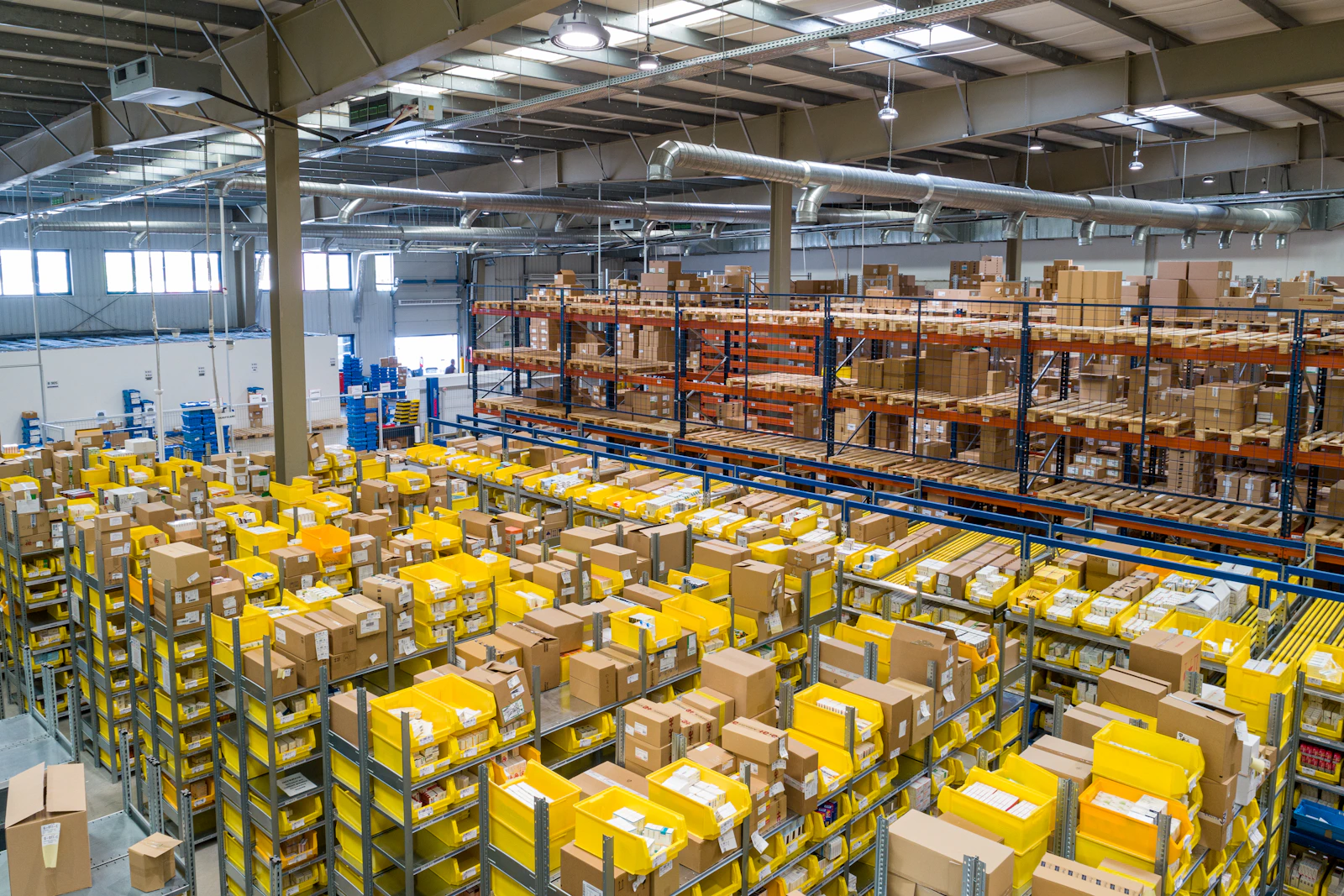
Organised workplace storage and waste management help maintain safer commercial and industrial premises.
Managing combustible waste in commercial and industrial buildings is an essential part of workplace fire prevention. Offices, warehouses, factories, retail premises, workshops and distribution centres regularly generate materials that can ignite and contribute to a fire. Cardboard packaging, waste paper, plastic wrapping, timber offcuts, textiles and discarded pallets can become significant hazards when they accumulate near ignition sources or obstruct emergency access.
The risk is not limited to the waste itself. Overflowing bins, unsuitable storage locations, inadequate segregation and delayed collection can allow a small fire to develop into a serious incident. Waste stored against external walls may also increase the vulnerability of a building to deliberate ignition, while discarded materials in corridors can interfere with evacuation.
Effective combustible waste management combines hazard identification, waste reduction, suitable containers, regular collection, employee training and documented inspections. It should form part of the wider fire risk assessment rather than being treated only as a housekeeping or environmental responsibility.
What Is Combustible Waste?
Combustible waste is discarded material that can burn when exposed to sufficient heat, a flame, a spark or another suitable ignition source. Its contribution to a fire depends on its composition, quantity, condition, location and surrounding environment.
These materials can arise from office activities, packaging operations, manufacturing, construction, maintenance and everyday warehouse processes.
- Paper and cardboard: Documents, cartons, packaging and paper offcuts.
- Plastics: Shrink wrap, protective packaging, plastic bags and discarded components.
- Timber: Wooden pallets, broken crates, sawdust and production offcuts.
- Textiles: Fabric scraps, upholstery materials and discarded workwear.
- Packaging waste: Foam inserts, cushioning and other packaging materials.
- Process residues: Certain dusts, fibres and industrial by-products.
- Flammable or contaminated waste: Some solvent-contaminated cloths, oils, paint residues and chemical containers.
Not all combustible waste presents the same risk. A small quantity of clean cardboard in an appropriate bin is different from a large pile of packaging beside a hot machine. Oily cloths and solvent-contaminated materials may introduce additional hazards and require specialist handling.
Combustible dust and fine waste
Some industrial processes generate fine combustible dust from materials such as wood, flour, grain, paper or certain metals. Under suitable conditions, airborne dust can ignite rapidly and may cause a dangerous explosion.
Facilities that generate combustible dust should assess their processes, extraction systems, collection equipment and housekeeping procedures with competent specialists. Avoid cleaning methods that disperse dust into the air unless the method has been assessed and established as safe.
Why Is Combustible Waste Management Important?
Reduce ignition risks
Keeping combustible materials away from heaters, hot machinery, sparks and electrical hazards reduces the opportunity for waste to ignite.
Limit fire growth
Removing unnecessary waste reduces available fuel and helps prevent accumulated materials from contributing to fire spread.
Protect escape routes
Clear corridors, stairways, doorways and access to fire safety equipment support safer evacuation.
Reduce external fire risks
Appropriate positioning and security of external bins can help reduce opportunities for deliberate ignition near buildings.
Support environmental and operational performance
Effective waste management can also reduce disposal costs, improve recycling and make work areas easier to maintain. However, recycling must not create a new fire hazard. Storing excessive quantities of cardboard in an unsuitable location simply to increase recycling rates can undermine workplace safety.
Waste management should therefore balance environmental objectives with safe storage, collection capacity and fire prevention.
Common Types of Combustible Waste in Commercial and Industrial Buildings
Understanding where combustible waste originates helps businesses select appropriate controls for each area.
| Workplace | Typical waste | Main safety consideration |
|---|---|---|
| Offices | Paper, cardboard and packaging | Prevent accumulation near electrical equipment and escape routes. |
| Retail premises | Packaging and plastic wrapping | Control waste in stockrooms and delivery areas. |
| Warehouses | Pallets, cartons and stretch film | Manage large volumes and keep waste away from ignition sources. |
| Manufacturing facilities | Timber, fabric scraps and process residues | Assess machinery, hot-work areas and combustible dust hazards. |
| Workshops | Oily cloths and solvent-contaminated materials | Assess flammability, compatibility and suitable containment. |
| Construction areas | Timber, packaging and offcuts | Coordinate waste removal with contractors and hot-work controls. |
| Distribution centres | Cardboard and plastic film | Prevent accumulation around loading bays and equipment. |
These examples are indicative rather than a definitive classification. Where waste is contaminated, chemically reactive or unfamiliar, its properties should be assessed before deciding how to store and dispose of it.

How to Manage Combustible Waste in Commercial and Industrial Buildings
An effective system combines waste prevention, segregation, suitable storage, timely collection, staff training and documented inspections. The controls should reflect the building, the activities taking place and the type and volume of waste generated.
Conduct a combustible waste risk assessment
Identify the types and quantities of combustible waste produced throughout the premises. Inspect offices, workshops, production lines, storage areas, loading bays, maintenance spaces and external waste compounds.
The assessment should consider:
- The materials being discarded and their fire-related properties.
- The quantity and rate of waste accumulation.
- Potential ignition sources near collection and storage points.
- The suitability and condition of containers.
- The location of fire exits, fire doors and firefighting equipment.
- The security and positioning of external waste storage.
- Any special hazards associated with contaminated waste or combustible dust.
- The arrangements for removing waste during and after shifts.
Record significant findings and assign corrective actions, responsible persons and completion dates. The assessment should form part of the wider fire risk assessment and be reviewed when circumstances change.
Establish a clear waste segregation system
Waste segregation means separating different waste streams so that they can be handled, stored and removed appropriately. Provide clearly labelled containers near the places where waste is generated, making sure employees understand what belongs in each container.
For example, clean cardboard should not automatically be mixed with oily cloths, chemical-contaminated packaging or other materials that require specialist management. If employees cannot identify a substance, they should follow the site’s reporting procedure rather than guess.
Use suitable waste containers
Containers should be appropriate for their intended contents, quantity and workplace conditions. Good practice includes:
- Selecting containers compatible with the waste being collected.
- Using lids or covers where the risk assessment identifies a need.
- Preventing containers from overflowing.
- Keeping containers in designated locations.
- Inspecting for damage, leaks and other defects.
- Maintaining safe access for collection and handling.
- Keeping exits and firefighting equipment unobstructed.
Do not assume that a standard general-waste bin is suitable for flammable liquids, contaminated rags, chemical residues or combustible dust. Follow applicable safety data, risk assessments and specialist advice.
Remove waste regularly
Regular collection prevents waste from accumulating beyond the capacity of its designated storage area. The collection frequency should reflect the quantity generated, fire risk, available capacity, operating schedule and characteristics of the materials.
A small office may need a different routine from a packaging warehouse that produces large quantities of cardboard every shift. Establish clear collection responsibilities and explain how staff should arrange additional removal when containers become full before the scheduled collection.
A practical routine may include:
- Removing waste from workstations and production areas at defined intervals.
- Emptying containers before they become overloaded.
- Clearing packaging after deliveries and maintenance activities.
- Inspecting relevant areas after hot work under the applicable procedure.
- Checking waste storage areas at the end of each shift.
- Recording missed collections and arranging corrective action.
Store combustible waste in designated areas
Designated storage areas help prevent discarded materials from spreading into operational spaces, escape routes and locations containing ignition sources.
Consider the following controls:
- Keep waste away from heat sources and activities that generate sparks.
- Do not obstruct corridors, stairways, fire doors or emergency exits.
- Prevent accumulation around electrical installations and machinery.
- Separate incompatible waste streams.
- Maintain safe access for collection vehicles and emergency responders.
- Secure external containers where appropriate.
- Inspect the area for damaged containers, spills and excessive accumulation.
Where significant quantities of combustible waste are generated, a formal waste management plan may be appropriate. Storage arrangements should reflect the site’s fire risk assessment rather than relying on generic distances or assumptions.
Keep external waste storage away from buildings
External waste storage requires particular attention because combustible materials can expose a building to a fire originating outside the premises. Bins and skips should be positioned according to the site’s risk assessment and applicable guidance.
The UK government’s offices and shops fire safety guidance states that skips should not be placed against buildings and indicates that they would normally be at least six metres away from any part of the premises. This guidance relates to the premises covered by that document and should not be treated as a universal rule for every site.
Assess the location of doors and windows, escape routes, emergency access, security, waste quantities and the potential for deliberate ignition. Where space is limited, obtain competent fire safety advice before settling on an arrangement.

Control flammable and contaminated waste separately
Some discarded materials require additional controls. Examples include solvent-contaminated cloths, certain oil-soaked materials, paint residues, flammable liquids and chemical-contaminated packaging.
Businesses should identify these materials and assess their composition, contamination, compatibility and potential to release flammable vapours or heat.
Appropriate procedures may include compatible containers, separation of incompatible substances, leak prevention, suitable collection arrangements and required waste documentation. Seek competent advice where classification or storage requirements are uncertain.
Introduce end-of-shift housekeeping checks
End-of-shift checks help identify waste accumulation before the premises are left unattended. The inspection should be proportionate to the risks and focus on locations where combustible materials and ignition sources may coincide.
- Remove waste from production and maintenance areas.
- Clear packaging from machinery surroundings.
- Empty or secure containers as required.
- Keep escape routes and fire doors clear.
- Check external waste areas and container security.
- Follow the applicable hot-work inspection procedure.
- Report defects, spills and unsafe conditions.
These checks complement rather than replace formal fire safety inspections and maintenance.
Fire Risk Assessment and Legal Responsibilities in UK Workplaces
Combustible waste management should be integrated into the organisation’s fire safety management system. Different legislation and guidance apply across England, Wales, Scotland and Northern Ireland.
In relevant non-domestic premises in England and Wales, the Regulatory Reform (Fire Safety) Order 2005 establishes duties for the responsible person. Depending on the circumstances, this may be an employer, owner, occupier or another person with control of the premises. Multiple responsible persons may need to cooperate where duties overlap.
What should the fire risk assessment cover?
- Combustible materials accumulating in operational areas.
- Waste stored close to ignition sources.
- External bins or skips that could expose the building to fire.
- Flammable or contaminated waste requiring additional controls.
- Obstructed escape routes and fire doors.
- Inadequate waste collection or housekeeping procedures.
- Risks associated with contractors, maintenance and hot work.
- The needs of people who may require assistance during evacuation.
The assessment should also consider whether fire detection, warning, compartmentation and evacuation arrangements are appropriate for the identified risks.
Understand waste disposal responsibilities
Fire safety and environmental compliance overlap, but they are not identical. Businesses must manage combustible waste safely while also meeting applicable waste handling and disposal requirements.
In England, official commercial waste guidance covers waste minimisation, safe storage, appropriate transfer documentation and the use of registered waste carriers. Additional requirements can apply to hazardous waste.
Businesses should check that their waste contractors are suitable for the materials being collected and maintain required records. Requirements vary across the UK and by waste type, so consult the relevant regulator for the premises and activity.
Review the assessment when circumstances change
Review fire safety arrangements when a significant change could affect risk. Examples include a new production process, increased packaging volumes, changes to waste contractors, the introduction of flammable substances or alterations to the building layout.
A review should establish whether existing waste controls remain suitable and whether additional action is required.
Employee Training and Responsibilities
Even well-designed procedures can fail if employees do not understand or follow them. Staff should know which materials belong in each container, where waste may be stored and how to report unsafe conditions.
| Role | Typical responsibility |
|---|---|
| Senior management | Provide resources and support effective fire safety arrangements. |
| Facilities or fire safety manager | Coordinate procedures, inspections and corrective actions. |
| Department supervisors | Check local housekeeping and collection routines. |
| Employees | Segregate waste correctly and report hazards. |
| Cleaning teams | Follow designated collection routes and storage procedures. |
| Waste contractors | Follow agreed collection arrangements and applicable requirements. |
| Maintenance personnel | Apply relevant precautions and hot-work procedures. |
Provide practical training
Training should explain waste identification, segregation, safe storage, housekeeping, reporting procedures and emergency arrangements. Employees must understand that waste should never obstruct fire exits or firefighting equipment.
Staff should also know what to do if a container is damaged, an unknown substance is discovered or a scheduled collection is missed. Nobody should be expected to handle unfamiliar chemicals without the necessary competence and controls.
Encourage prompt reporting
Provide a straightforward way to report overflowing containers, unsecured external bins, blocked escape routes and waste stored near heat sources. Investigate recurring problems rather than treating each finding as an isolated incident.
For example, repeated cardboard accumulation may indicate that collection frequency is inadequate or that employees lack convenient access to suitable containers.
Common Mistakes to Avoid
Allowing waste to accumulate
Busy shifts and high production volumes can overwhelm collection arrangements.
Prevention: Review capacity and arrange additional collections when needed.
Storing waste near ignition sources
Convenient locations may be unsafe when close to heaters, machinery or electrical equipment.
Prevention: Designate appropriate collection points.
Blocking escape routes
Temporary placement of boxes or bags can create serious obstructions.
Prevention: Keep escape routes clear and remove waste promptly.
Mixing different waste streams
Ordinary paper, combustible dust and contaminated cloths may require different controls.
Prevention: Identify waste and use suitable containers.
Prioritising recycling over safety
Large quantities of recyclable material can create hazards when stored incorrectly.
Prevention: Balance recycling goals with fire safety and collection capacity.
Ignoring external storage
Unsecured bins or skips close to a building can increase fire exposure.
Prevention: Include external waste areas in inspections.
Another common mistake is relying on a written policy without monitoring actual working practices. Observe workplace conditions, record findings, assign corrective actions and verify that improvements have been completed.
Practical Combustible Waste Management Checklist
Use this checklist to review whether your current arrangements are clear, practical and proportionate to workplace risks.
- Identify the types, sources and approximate quantities of waste generated.
- Assess ignition sources, storage concerns and potential obstructions.
- Designate suitable collection points and containers.
- Set collection schedules and procedures for unusually high waste volumes.
- Assign responsibility for inspections, removal and corrective actions.
- Train employees on segregation, storage, reporting and emergency procedures.
- Inspect internal and external waste storage areas.
- Record significant findings and verify that corrective actions are completed.
- Review procedures when processes, waste volumes or site conditions change.
Measure whether the system is working
Useful indicators include the number of inspections identifying excessive accumulation, blocked escape routes caused by waste, missed collections, repeat housekeeping findings and corrective actions completed by their deadlines.
Interpret the results in context. An increase in reported findings may reflect better inspections rather than deteriorating performance. Examine causes, corrective actions and subsequent results before drawing conclusions.
Frequently Asked Questions
What is the safest way to manage combustible waste in commercial and industrial buildings?
Identify combustible waste, minimise unnecessary accumulation, use suitable containers, separate waste from ignition sources, maintain clear escape routes and arrange timely removal. Base the controls on the fire risk assessment and the characteristics of the waste.
How often should combustible waste be removed from a workplace?
There is no single collection frequency suitable for every workplace. Remove waste often enough to prevent unsafe accumulation, considering the materials, quantities, storage capacity, ignition risks and operating schedule.
Can combustible waste be stored outside a commercial building?
Yes, where the arrangement is suitable for the site and meets applicable requirements. Assess the distance from the building, security, access, waste quantities and potential exposure to deliberate ignition.
Why should cardboard and plastic waste be kept away from ignition sources?
Cardboard and many plastics can provide fuel for a fire. Keeping them away from heat, sparks and hot machinery reduces the opportunity for waste to ignite and contribute to fire spread.
Who is responsible for combustible waste fire safety?
Responsibility depends on the premises and applicable legislation. The responsible person must ensure suitable fire safety arrangements in relevant workplaces, while employers, owners, occupiers and facilities managers may have additional duties depending on their roles.
Should combustible waste be included in a fire risk assessment?
Yes. The assessment should consider combustible materials, housekeeping, storage arrangements, ignition sources and escape routes. It should identify appropriate controls and be reviewed when significant changes affect fire safety.
What should employees do if a waste container is overflowing?
Follow the workplace reporting and housekeeping procedure so the waste can be removed safely and promptly. Do not handle unfamiliar or hazardous materials without appropriate training and controls.
How can businesses improve waste management without unnecessary costs?
Review waste generation, choose appropriately sized containers, coordinate collections with demand, improve segregation and prevent avoidable waste at source. Monitor recurring problems while maintaining suitable fire safety controls.
Conclusion
Managing combustible waste in commercial and industrial buildings is a fundamental part of effective workplace fire prevention. Paper, cardboard, plastics, timber, packaging and certain contaminated materials can increase fire risks when they accumulate near ignition sources, obstruct escape routes or remain in unsuitable storage areas.
Businesses can reduce these risks by assessing waste-related hazards, establishing clear segregation procedures, using suitable containers, arranging timely collection, securing external waste storage and training employees. These measures should be integrated into the wider fire risk assessment and supported by routine inspections, documented responsibilities and corrective actions.
Effective waste management can also support better housekeeping, resource efficiency and environmental performance. However, recycling targets and operational convenience should never take priority over appropriate fire safety controls.
Build Your Fire Safety Knowledge
Explore fire safety and risk assessment learning resources to strengthen your understanding of workplace hazards, prevention measures and safety responsibilities.
Explore Fire Safety ResourcesFurther Reading and Authoritative Guidance
- GOV.UK — Fire safety risk assessment: offices and shops
- GOV.UK — Fire safety risk assessment: factories and warehouses
- GOV.UK — Fire risk assessments
- GOV.UK — Dispose of business or commercial waste
- US EPA — Managing and Reducing Wastes: A Guide for Commercial Buildings
This article provides general information, not legal advice or a site-specific fire risk assessment. Requirements vary by UK jurisdiction, premises type and waste stream. Consult current official guidance and obtain competent professional advice where necessary.